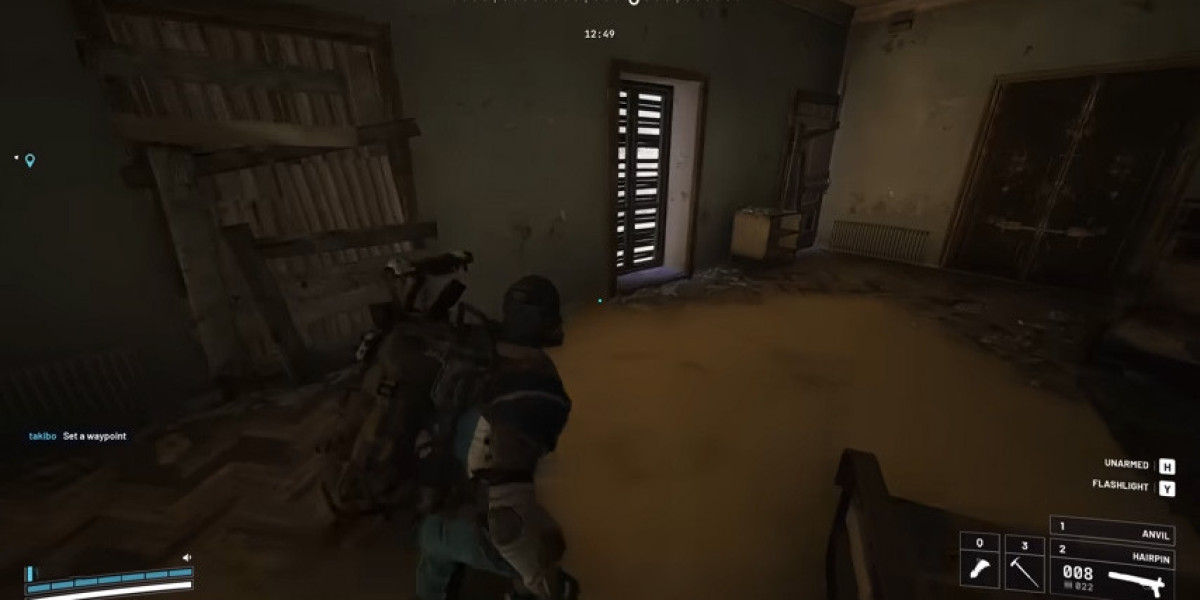

The so-called “safer route” in Buried City once offered quiet rooms, easy looting, and a steady 70,000 to 100,000 coins per run with almost no PvP encounters. However, once a creator reveals this route to the entire internet, it no longer stays quiet, as players begin flooding the exact same buildings that were once overlooked ARC Raiders blueprints cheap.
The method revolves around a cluster of high-value indoor locations in Buried City positioned near hatches and extraction points, allowing raiders to fill their backpacks quickly without traveling across the whole map. These interiors often contain valuables, weapons, key-locked stashes, and even blueprints, making it easy for solo and duo players to reach six-figure earnings if everything is sold after extraction. A major component of the route includes using common keys such as the Residential Master Key to access a hidden apartment filled with loot that many players previously ignored. When combined with areas like the red tower and tucked-away rooms near Santa Maria-style apartment blocks, the route forms a compact loop of five or so dense loot zones that can fill an inventory in one smooth rotation.
The moment a popular video showcases this path and labels it “the safer route,” it stops being a hidden tactic and becomes a widely known hotspot. Viewers naturally rush to copy the strategy, causing Buried City to overflow with players running toward the same attics, breach doors, and key rooms featured in the guide. As more people attempt the same path, the original low-risk routine transforms into a chaotic mix of cross-traffic, surprise third parties, and opponents camping the very rooms that were advertised as safe. The route still offers strong loot density, but now every run becomes a race not only against AI and extraction timers but also against every raider inspired by the same viral guide.
Once a route becomes exposed, the player base adapts in predictable ways. Some continue running the path despite increased danger, while others begin hunting those who follow it. Ambushers quickly learn typical entry points, stair routes, and timing patterns, turning predictable rotations into ambush opportunities. At this stage, the true value of the guide shifts from strictly following a step-by-step route to understanding the locations themselves and improvising based on spawn position and lobby activity. Experienced raiders treat the highlighted rooms as flexible options, mixing them with alternative entries and extracts to stay profitable even after the entire community has moved in.
When Buried City begins to feel more like a PvP arena than a relaxed money-making zone, adaptability becomes essential. Rotating which well-known rooms to prioritize, changing the order based on spawn location, and extracting early with a partial load can prevent unnecessary fights over a single heavily contested doorway. Players can also use the creator’s underlying logic rather than copying the route exactly—seeking compact indoor clusters near hatches and extracts on other maps or designing personalized loops around lesser-known buildings within Buried City. While the masses chase the YouTube-approved route, those who stay flexible can quietly profit from a safer version of the same idea just a street away.
In the end, the rise and fall of “safe routes” demonstrate how quickly a community can transform risk levels in an extraction shooter. True success comes from understanding why a route works and adapting it—not from following an exposed path that countless others now share.