
Introduction:
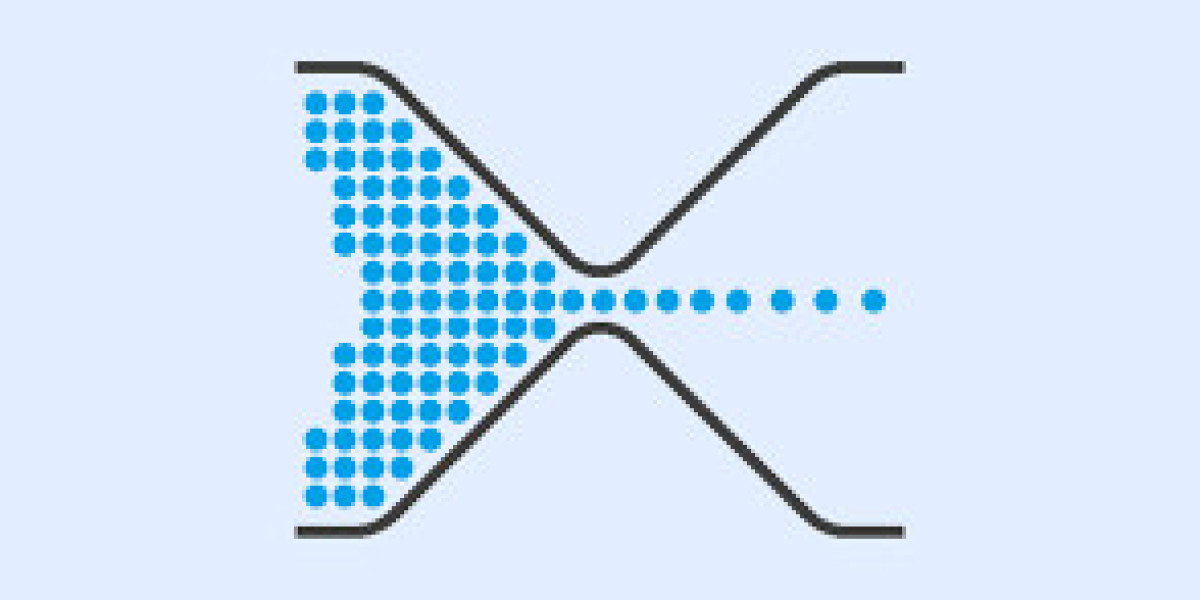
Building or upgrading a computer is no longer just a hobby for tech enthusiasts—it has become increasingly common among gamers, content creators, designers, and everyday users who want more control over their system’s performance. One of the most important concepts to understand during this process is the idea of a “bottleneck.” This occurs when one component in a system restricts the full potential of others, leading to performance loss. To avoid this, many users turn to a Bottleneck Rechner, a bottleneck calculator that helps determine whether hardware components work efficiently together.
In this article, we will explain what a Bottleneck Rechner is, how it works, and why it is essential for anyone looking to build a balanced and powerful PC.
What Is a Bottleneck Rechner?
A Bottleneck Rechner is an online tool designed to analyze how well different computer components—primarily the CPU and GPU—pair together. It estimates whether one part is significantly weaker than the other, causing performance limitations.
For example, if you pair a high-end graphics card with a very old or low-powered processor, the CPU may not be able to keep up, leading to reduced frame rates and sluggish performance. A bottleneck calculator identifies such mismatches before you buy or upgrade components.
The goal of using a Bottleneck Rechner is to build a system where all components perform efficiently without holding back one another.
Why Bottlenecks Matter in a PC Build
Understanding bottlenecks is essential for anyone who wants to optimize their computer’s performance. Here are some of the main reasons:
1. Maximizing Value for Money
Computer parts can be expensive. Pairing them incorrectly can lead to wasted performance and wasted money. A bottleneck calculator helps you avoid spending on a component your system cannot fully utilize.
2. Achieving Smooth Gaming Performance
Gamers rely heavily on balanced systems. If your CPU bottlenecks your GPU, you may experience stuttering, low frame rates, or inconsistent gameplay. A Bottleneck Rechner helps ensure your setup delivers the best performance possible.
3. Improving Productivity and Workflows
Content creators, video editors, and 3D designers need a carefully optimized system to handle heavy workloads. A bottleneck in rendering or processing tasks can slow down productivity. Using a Bottleneck Rechner ensures your hardware can keep up with demanding software.
4. Preventing Future Compatibility Issues
When planning upgrades, it’s important to know whether a new component fits the performance range of your current system. A bottleneck calculator helps you make smart upgrade choices.
See more: Bottleneck
How a Bottleneck Rechner Works
Although each bottleneck calculator may function slightly differently, most follow similar steps:
Step 1: Component Selection
Users select their current or planned components, including:
CPU (processor)
GPU (graphics card)
RAM amount
Storage type
Resolution and workload type
Step 2: Performance Comparison
The Bottleneck Rechner compares the processing power of the CPU and GPU using benchmark data. It then analyzes how well they work together.
Step 3: Bottleneck Percentage
The tool generates a bottleneck percentage, indicating whether one component significantly limits the other. For example:
0–10% bottleneck: Excellent balance
10–20% bottleneck: Slight imbalance, acceptable for most users
20–40% bottleneck: Noticeable bottleneck, consider upgrading
40%+ bottleneck: Strong imbalance, system performance will suffer
Step 4: Recommendations
Many bottleneck calculators also provide suggestions such as:
Recommended CPUs or GPUs
Optimal RAM upgrades
System adjustments for best performance
Common Causes of Bottlenecks
Understanding what leads to bottlenecks can help prevent them. Some common causes include:
1. CPU Limitations
A slow processor can limit the performance of a powerful graphics card, especially in CPU-heavy games or tasks.
2. GPU Underperformance
A weak GPU paired with a high-end CPU may struggle to render graphics smoothly.
3. Insufficient RAM
Too little RAM can cause lag, freezing, and slow multitasking.
4. Slow Storage
A traditional HDD can bottleneck system load times compared to an SSD or NVMe drive.
5. Running High-Resolution Settings
Higher resolutions place more load on the GPU, sometimes creating imbalances.
Tips for Reducing Bottlenecks
If your Bottleneck Rechner results show a performance issue, here are several solutions:
Upgrade the limiting component (CPU or GPU).
Increase RAM for smoother multitasking.
Switch to SSD or NVMe storage.
Adjust game or software settings.
Balance future upgrades by planning around bottleneck results.
Final Thoughts
A Bottleneck Rechner is a powerful tool for anyone building, upgrading, or optimizing a PC. By analyzing how well your components work together, it helps you avoid performance issues, save money, and ensure your computer runs efficiently. Whether you’re a gamer, content creator, or everyday user, understanding bottlenecks is the key to creating a well-balanced system that delivers maximum performance.
Using a Bottleneck Rechner before making hardware decisions ensures that your setup is ready to meet the demands of modern applications—and gives you the peace of mind that your investments are truly worthwhile.
See more blogs: Visit Here