
Introduction
Cities often have places that define their identity long before skyscrapers reshape the skyline. In Dubai, Port Rashid is one of those landmarks. Originally established as a major maritime gateway, it played a vital role in supporting trade, welcoming international visitors, and strengthening the emirate's economic growth. Over the decades, the area has transformed from a busy commercial port into a dynamic waterfront district that combines heritage, residential living, tourism, and leisure.
Today, Port Rashid is more than a historic location. It represents Dubai's ability to preserve its maritime legacy while adapting to changing urban needs. The district appeals to residents, investors, entrepreneurs, and travelers who appreciate a destination where history and modern development exist side by side.
The Historical Importance of Port Rashid
Every successful city has a foundation, and for Dubai, maritime trade was one of the strongest pillars of economic development. Port Rashid became an essential gateway that connected the emirate with international markets, enabling the movement of goods, services, and people across continents.
Its strategic location allowed Dubai to expand commercial relationships with countries throughout Asia, Europe, and Africa. As shipping activity increased, the surrounding districts experienced rapid growth, encouraging investment in transportation, logistics, hospitality, and infrastructure.
Rather than being remembered solely as a commercial harbor, Port Rashid became a symbol of Dubai's ambition and willingness to invest in long-term economic progress.
A New Era of Waterfront Development
Urban redevelopment has changed the role of many historic ports around the world, and Port Rashid is an excellent example of this evolution. Instead of relying exclusively on cargo operations, the district has gradually embraced residential communities, tourism, waterfront attractions, and lifestyle-oriented developments.
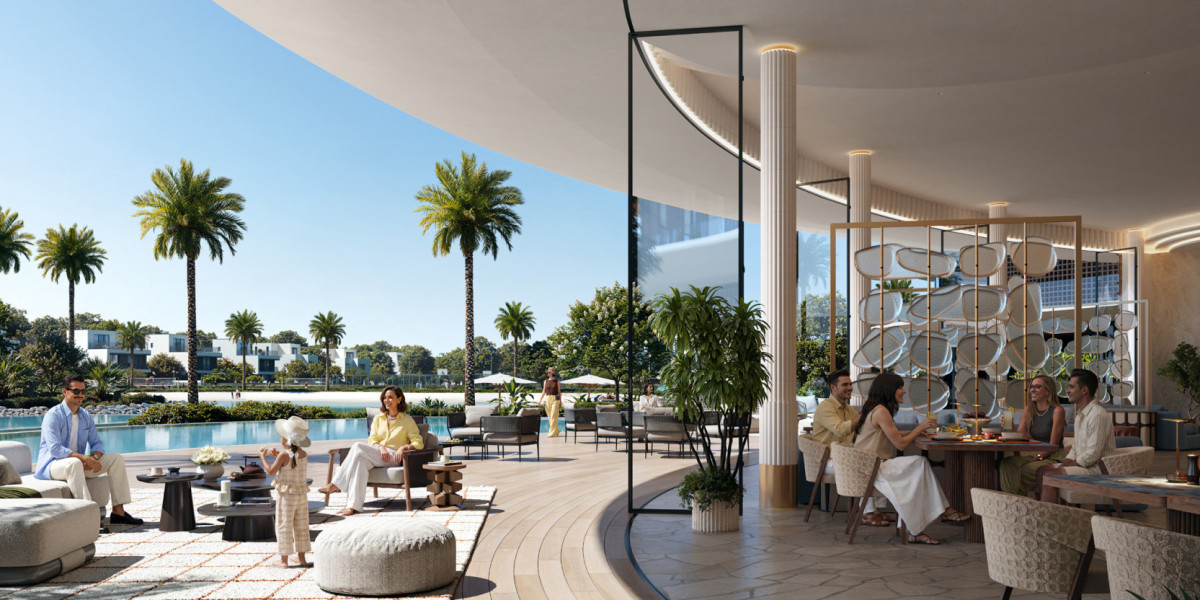
Modern planning has introduced attractive public spaces while respecting the area's historical identity. Wide promenades, landscaped surroundings, and carefully designed public areas encourage both residents and visitors to experience the waterfront from a completely new perspective.
This transformation demonstrates how older infrastructure can successfully adapt to contemporary urban living without losing its cultural significance.
A Location That Connects the City
One of the greatest strengths of Port Rashid is its accessibility. A well-connected location allows residents and businesses to benefit from convenient travel throughout Dubai while remaining close to key commercial and cultural destinations.
The district provides efficient access to important business areas, shopping destinations, entertainment venues, educational institutions, and healthcare facilities. This level of connectivity supports professionals who commute daily while also enhancing the area's attractiveness for families.
For visitors, the location serves as an excellent starting point for exploring both historic neighborhoods and Dubai's modern attractions, making it one of the city's most versatile waterfront districts.
Residential Appeal in a Historic Setting
Modern homebuyers increasingly appreciate neighborhoods that offer character alongside convenience. Port Rashid provides a distinctive residential environment because it combines contemporary housing opportunities with a location rich in history.
Residents enjoy the unique experience of living near the waterfront while benefiting from thoughtfully planned public spaces and growing community infrastructure. Walking along the marina, enjoying outdoor cafés, or spending time in landscaped areas creates a lifestyle that differs from conventional urban neighborhoods.
This combination of heritage and modern comfort contributes to the district's growing popularity among buyers seeking something beyond standard residential communities.
A Destination for Tourism and Leisure
Tourism plays a major role in Dubai's economy, and Port Rashid contributes by offering experiences that extend beyond shopping and skyscrapers. The waterfront atmosphere attracts travelers interested in maritime heritage, scenic surroundings, and luxury hospitality.
Visitors can explore the marina environment, admire impressive yachts, experience waterfront dining, or simply enjoy relaxing views of the Arabian Gulf. The district provides a refreshing alternative to fast-paced commercial centers by creating opportunities for leisurely exploration.
Its blend of history and contemporary attractions allows tourists to experience another dimension of Dubai that highlights both its past and its future.
Business and Investment Opportunities
Successful investment locations usually combine strong infrastructure, strategic positioning, and long-term development potential. Port Rashid demonstrates these qualities through continuous redevelopment and increasing demand for waterfront living.
Several factors contribute to its investment appeal:
Prime coastal location
Ongoing urban redevelopment
Growing residential demand
Expanding tourism activity
Strong transportation connections
Attractive commercial opportunities
As the district continues to evolve, investors often recognize the advantages of owning property or establishing businesses within an area supported by long-term planning and increasing visitor interest.
Preserving Heritage While Embracing Innovation
Many cities struggle to balance modernization with cultural preservation. Port Rashid illustrates how both objectives can coexist successfully.
Historic significance remains visible through the district's maritime identity, while contemporary architecture and infrastructure introduce new opportunities for residential living and economic growth. This careful balance allows future generations to appreciate the area's historical importance while enjoying the benefits of modern urban planning.
Rather than replacing the past, redevelopment has enhanced it by giving historic spaces new purpose within today's city.
Why Port Rashid Continues to Grow in Popularity
The growing interest in Port Rashid reflects changing buyer and visitor preferences. People increasingly value destinations that provide more than convenience—they seek places with identity, character, and meaningful experiences.
Unlike neighborhoods built entirely from scratch, Port Rashid offers an authentic story shaped by decades of maritime activity and economic development. This sense of history creates emotional value that complements its practical advantages.
At the same time, modern infrastructure, waterfront amenities, and ongoing investment ensure that the district continues to evolve without losing its distinctive personality.
Looking Toward the Future
Urban development is most successful when it respects the past while preparing for future generations. Port Rashid demonstrates this philosophy by transforming into a multi-purpose destination that supports tourism, residential living, business, and recreation within a unified waterfront environment.
As Dubai continues expanding its global reputation, locations with established identities and strategic importance are expected to remain highly desirable. Continued investment in infrastructure, public spaces, and mixed-use development will likely strengthen the district's position as one of the city's most recognizable waterfront destinations.
Conclusion
Port Rashid represents far more than an important harbor in Dubai's history. It tells the story of a city that grew through trade, embraced innovation, and successfully transformed its waterfront into a vibrant destination for modern living, tourism, and investment.
From its origins as a maritime gateway to its current role as a thriving waterfront district, Port Rashid continues to demonstrate how thoughtful planning can preserve heritage while supporting future growth. Whether someone is searching for a distinctive place to live, a promising investment opportunity, or a destination that showcases Dubai's remarkable journey, Port Rashid remains one of the city's most compelling and enduring locations.